GuardianShield’s Clinical Intervention Program: Medication Safety at Scale

Safeguarding residents from medication-related risk is a daily reality in senior living and long-term care settings.
Residents are older, medication regimens are more complex, and care transitions happen frequently. Each new order, therapy adjustment, or transition introduces risk that can lead to adverse drug events (ADEs), hospitalizations, regulatory exposure, and diminished quality of life for residents. ADEs remain a leading cause of unplanned healthcare utilization, accounting for millions of physician visits, emergency department visits, and hospital admissions each year. Nearly half are considered preventable.
For care providers, the priority is making sure medication-related risks are identified early, addressed appropriately, and documented before harm occurs. To proactively support that work, Guardian’s clinical team and business intelligence unit developed our proprietary Clinical Intervention program, part of the GuardianShield® suite of services.
Clinical Intervention as Embedded Clinical Infrastructure
A clinical intervention occurs when a pharmacist or pharmacy team member takes an additional clinical step beyond basic prescription processing to address a potential medication-related issue. At Guardian, this level of review is built into how pharmacy care is delivered.
Our Clinical Intervention program is embedded into daily dispensing and clinical workflows across our pharmacies. Every intervention is categorized, documented, and measured, providing visibility into the clinical decision-making that helps protect residents from medication-related harm.
This program tracks the:
-
- Number of clinical interventions performed
- Number of residents impacted
- Types of medication-related risks identified
- Pharmacist time dedicated to clinical oversight
Together, this data demonstrates how medication safety is deliberately managed through consistent clinical review and accountability.
Types of Clinical Interventions Tracked
Guardian’s program tracks nine categories of clinical intervention, grouped by the type of risk addressed.
Therapeutic Appropriateness
-
- Duplicate Therapy: Identifying two or more medications from the same therapeutic class or with overlapping clinical effects prescribed concurrently—a common contributor to polypharmacy.
- Unusual Dosing: Detecting doses that are significantly higher or lower than recommended based on the resident’s condition, age, or kidney function.
- Drug–Disease Interaction: Assessing whether a medication may worsen an existing condition, requiring an alternative therapy or additional monitoring.
Safety and Harm Prevention
-
- Allergy: Preventing exposure to medications that may trigger allergic reactions, often requiring coordination with prescribers to identify safe alternatives.
- Drug–Drug Interaction: Identifying combinations that increase the risk of adverse effects or toxicity, or require additional monitoring.
- Discontinued Medication: Identifying medications that may be appropriate to deprescribe due to conflicting orders, potential side effects, or adverse drug events, and working with prescribers to safely discontinue therapy.
Continuity of Care
-
- Medication Reconciliation: Comparing multiple medication lists across care settings and points in time to ensure accuracy and completeness of a medication regimen.
- Drug Omission: Identifying missing chronic medications that should be part of a resident’s regimen.
- Clarification: Communicating with prescribers or community staff to resolve incomplete, unclear, or inconsistent orders.
What This Looks Like in Practice
In practice, clinical intervention happens upstream, before a medication ever reaches the eMAR, med cart, or the resident.
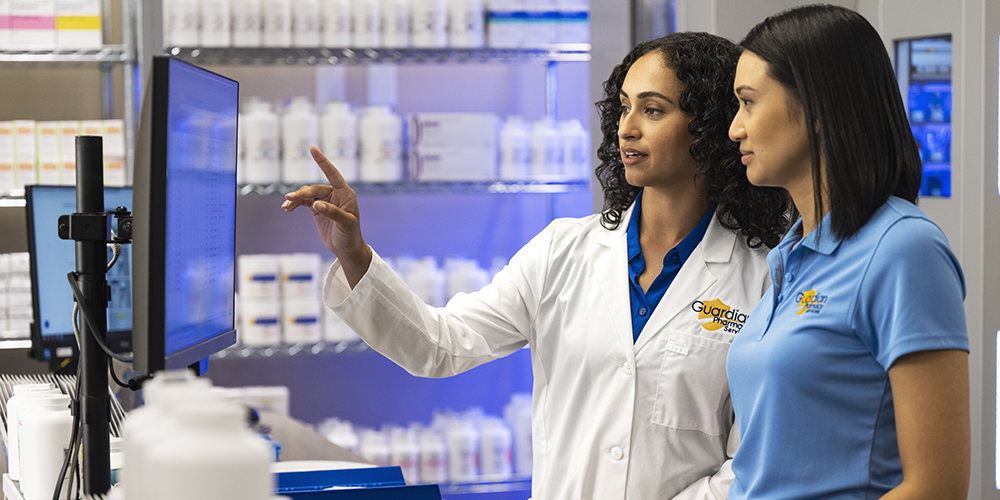
Pharmacists review orders in the context of the resident’s full medication profile, diagnoses, available lab values, and recent care transitions. When a potential issue is identified, the pharmacist collaborates with prescribers and community staff to resolve it—adjusting therapy, clarifying intent, or preventing unnecessary duplication or risk.
These actions are rarely visible to residents or families, but they are foundational to safe medication management.
Clinical Intervention at Scale: 2025 Snapshot
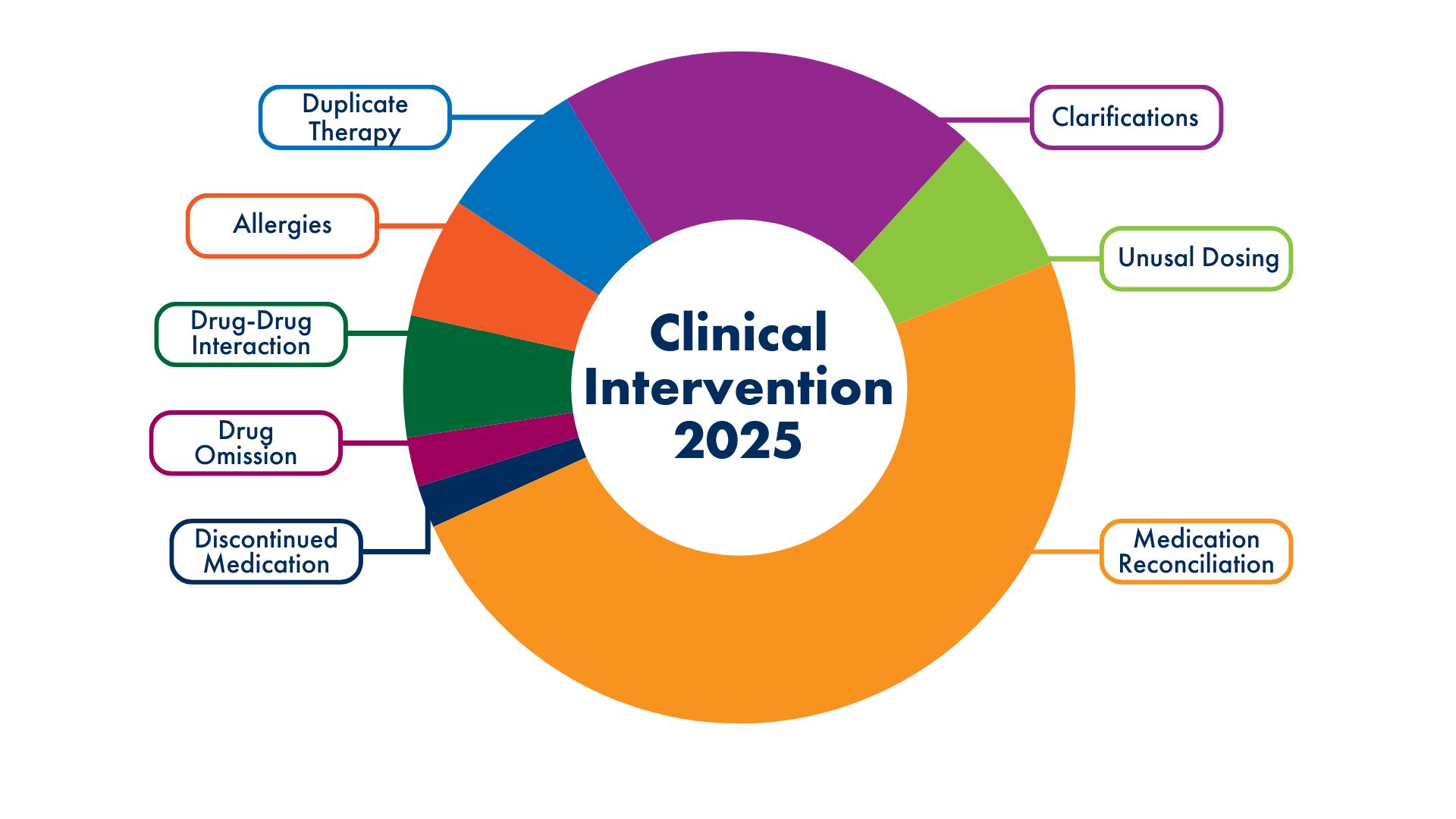
In 2025, Guardian pharmacists documented more than 102,000 clinical interventions, impacting nearly 76,000 residents across assisted living, skilled nursing, and other long-term care settings. These interventions reflect the day-to-day clinical oversight required to safely manage complex medication regimens at scale.
Last year, the majority of documented interventions were tied to medication reconciliations, underscoring the frequency of care transitions in long-term care and the ongoing need for pharmacist-led oversight during these high-risk periods. Guardian pharmacists completed more than 62,000 medication reconciliations.
Beyond reconciliation, pharmacists routinely intervened on higher-risk clinical scenarios associated with polypharmacy and inappropriate therapy. During the same period, Guardian pharmacists documented approximately:
-
- 25,700 order clarifications, resolving incomplete, conflicting, or ambiguous medication orders before dispensing
- 9,100 unusual dosing interventions, addressing doses that were too high, too low, or otherwise inappropriate for the resident’s condition
- 9,000 duplicate therapy interventions, identifying overlapping medications that potentially increased risk and costs without additional clinical benefit
- 7,400 drug–drug interactions, requiring additional monitoring, therapy adjustments, or prescriber collaboration
- 7,300 allergy-related interventions, requiring resident or family clarification or therapeutic substitutions
Collectively, these activities required more than 35,000 pharmacist hours dedicated to clinical oversight and collaboration with the broader healthcare team.
Turning Data Into Insight for Community Leadership
Beyond individual interventions, the Clinical Intervention program provides leadership teams with visibility into medication-related risk patterns across their communities.
Tracking and reporting allow operators to:
-
- Understand where medication risks are most likely to occur
- Identify trends tied to transitions of care or high-risk drug classes
- Demonstrate proactive medication oversight during surveys and audits
- Support continuous improvement in medication management practices
This level of insight transforms clinical intervention from isolated actions into a measurable component of risk management and quality assurance.
A Core Component of Safe Medication Management
GuardianShield’s Clinical Intervention program embeds pharmacist-led clinical oversight into daily workflows, making medication-related risks visible and measurable across our communities. At scale, this work helps prevent adverse drug events and supports senior living and long-term care providers in managing medication risk proactively.