Staying Safe with Supplements: Herbal–Prescription Interactions in Older Adults
Herbal products are often seen as “all natural” and therefore harmless—but that assumption can be dangerous, especially for older adults who take multiple medications. July is Herbal-Prescription Interaction Awareness Month, a time to spotlight how herbal products and dietary supplements can interfere with prescription medications, sometimes with serious or even life-threatening consequences.
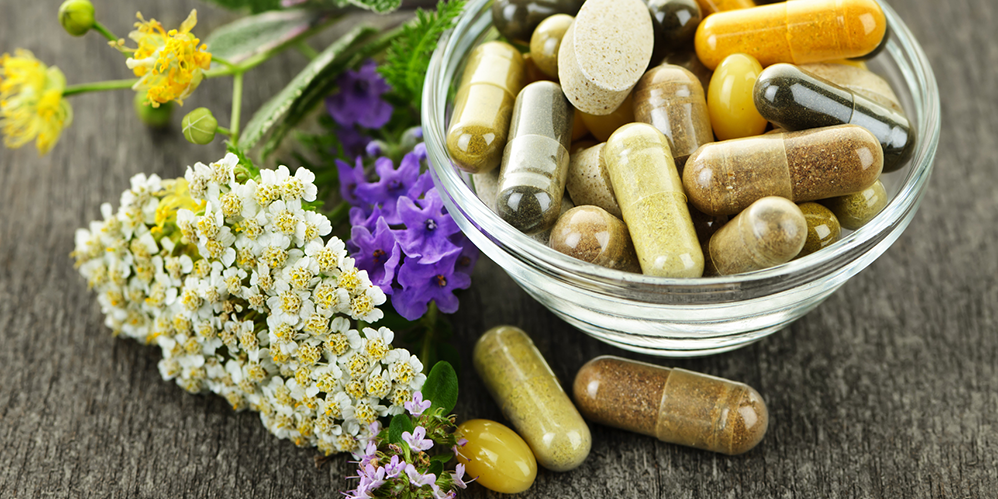
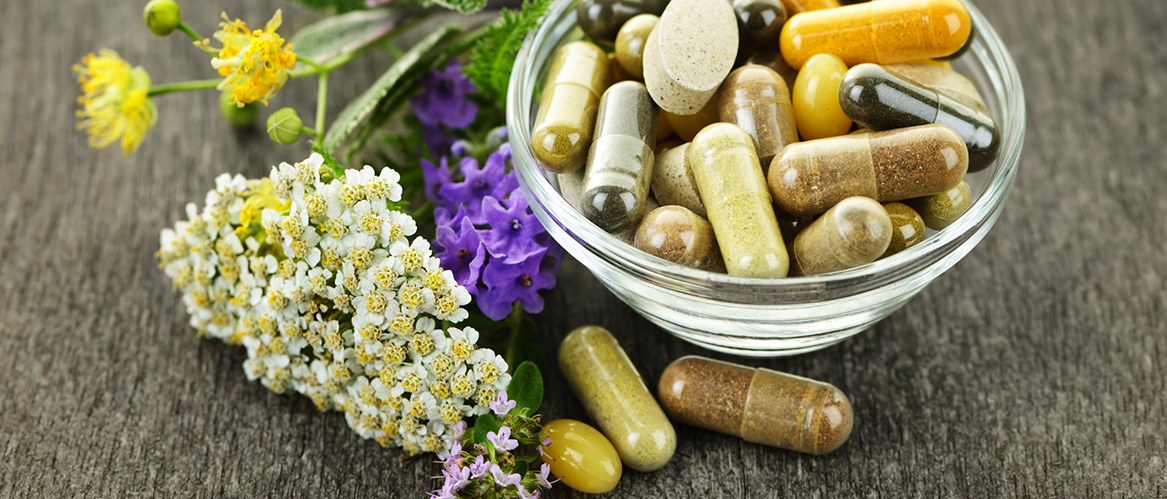
Herbal medicines are defined by the National Institutes of Health as products derived from plants and used to maintain or restore health. They’ve been used for over 5,000 years and remain widely available over the counter today as part of complementary and alternative medicine. Commonly used herbal products among older adults include saw palmetto, turmeric, echinacea, garlic, ginkgo biloba, ginseng, aloe vera, chamomile, spearmint, ginger, red yeast rice, and valerian root. In the U.S., annual herbal supplement sales reached an estimated $12.5 billion in 2023. Despite limited scientific evidence for many of these products, one in three U.S. adults report using them.
Why “All Natural” Doesn’t Always Mean Safe
Herbal medicines are not subject to the same regulatory scrutiny as FDA-approved drugs. They often contain multiple biologically active compounds, and their interactions with prescription medications are typically untested. This lack of oversight, combined with unpredictable effects, increases the risk of herb–drug interactions—especially for older adults with complex medication regimens. Even common supplements can alter how medications are absorbed, metabolized, or cleared from the body, potentially compromising safety and therapeutic outcomes.
Why Older Adults Are at Higher Risk
Compared to younger adults, older individuals face a greater risk of harmful herbal–prescription interactions and related complications. Three key factors contribute:
- Higher rates of herbal use. A national survey found that herbal product use is especially high among older adults with chronic conditions such as stroke, cancer, and arthritis. Use is also associated with older age (>70), higher education, use of OTC medications, mail-order pharmacy, and multiple comorbidities like obesity and respiratory disease.
- More complex medication regimens. Older adults are more likely to manage multiple chronic diseases and take numerous prescription medications. This polypharmacy increases the potential for interactions not only between prescription drugs but also with herbals and supplements. The more medications a person takes, the harder it becomes to anticipate how one product may affect another.
- Age-related physiological changes. Aging is associated with reduced kidney and liver function, frailty, malnutrition, and changes in body composition—all of which affect how the body processes drugs and supplements. These changes increase susceptibility to accumulation, toxicity, or diminished therapeutic effect.
Common Herbal–Prescription Drug Interactions to Watch For
Many herbals and supplements interfere with frequently prescribed medications. Some increase side effects, while others reduce drug effectiveness. Examples include:
- Garlic + aspirin or warfarin: Increased risk of bleeding
- Grapefruit + simvastatin: Increased drug levels
- Calcium + levothyroxine: Reduced thyroid medication absorption
- St. John’s wort + amlodipine: Decreased blood pressure control
- St. John’s wort + antidepressants or immunosuppressants: Risk of serotonin syndrome or transplant rejection
- Cranberry + warfarin: Elevated INR and bleeding risk
These interactions are particularly dangerous when they involve drugs with narrow therapeutic windows, where even minor shifts in blood levels can cause harm.
Guardian’s Clinical Intervention Program: A Safety Net
At Guardian Pharmacy, identifying and preventing drug interactions is a critical part of resident safety. That’s where our Clinical Intervention program comes in—a key component of the GuardianShield suite of services designed to proactively flag high-risk interactions and optimize medication regimens. Every new medication order is reviewed by a Guardian pharmacist for safety and appropriateness in the context of the resident’s entire regimen.
In 2024 alone, Guardian pharmacists intervened in over 7,900 instances of potentially serious drug interactions and more than 11,400 cases of potential duplicate therapy. These interventions often involve reviewing medication regimens, collaborating with prescribers and community staff, and making recommendations for safer alternatives.
One common example: a resident on warfarin begins taking an over-the-counter ginkgo supplement for memory support. A Guardian pharmacist recognizes the risk for a serious interaction and initiates an intervention by contacting the community’s clinical team or the resident’s prescriber to recommend appropriate action—preventing a potentially dangerous bleeding event. This is just one of thousands of real-time, clinically significant interventions Guardian pharmacists make each year.
Key Takeaway
Herbal products can offer benefits, but they are not risk-free—especially for older adults with complex medication regimens. Awareness is the first step toward prevention. Through proactive tools like Guardian’s Clinical Intervention Program, we help catch potential issues early to protect the health and safety of the residents we serve.
Sources:
Rashrash M, Schommer JC, Brown LM. Prevalence and Predictors of Herbal Medicine Use Among Adults in the United States. J Patient Exp. 2017 Sep;4(3):108-113. doi: 10.1177/2374373517706612. Epub 2017 Jun 5. PMID: 28959715; PMCID: PMC5593261.
de Souza Silva JE, Santos Souza CA, da Silva TB, Gomes IA, Brito Gde C, de Souza Araújo AA, de Lyra-Júnior DP, da Silva WB, da Silva FA. Use of herbal medicines by elderly patients: A systematic review. Arch Gerontol Geriatr. 2014 Sep-Oct;59(2):227-33. doi: 10.1016/j.archger.2014.06.002. Epub 2014 Jul 9. PMID: 25063588.
Smith, T., Lang, C., & Craft, E. (2024, Fall). US sales of herbal supplements increase 4.4% in 2023. The Journal of the American Botanical Council, (141).

Susan Reed, PharmD
Senior Consultant Pharmacist
Guardian Pharmacy of the Heartland